Income & Work
Buying and selling second-hand
The largest available saving on almost every category, with a specific set of risks and a tax dimension people miss.
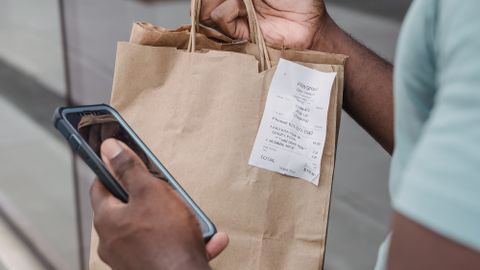
Second-hand markets have expanded enormously through online platforms, and they represent the largest single saving available on most categories of household spending.
Where the savings are largest
By category.
Furniture, particularly solid wood items, which are frequently better made than new equivalents at a fraction of the price.
Children's items, which are outgrown before they wear out.
Tools and equipment.
Books.
Clothing, particularly for children and for occasional wear.
Sports and hobby equipment, which is bought enthusiastically and used briefly.
Vehicles, where depreciation is the largest cost of ownership and buying a few years old transfers it to someone else.
And electronics, with more caution around condition and support lifespan.
What not to buy second-hand
A short list.
Car seats from unknown sources, since collision damage is invisible and a seat involved in an incident must be replaced.
Cot mattresses, where guidance in some countries advises new or at least a new well-fitting cover.
Anything subject to a safety recall, which is checkable.
Electrical items with damaged cables or without evidence of safety compliance.
Helmets and protective equipment, where prior impact is invisible.
And anything where you cannot verify the item is not stolen or subject to outstanding finance, particularly vehicles.
Buying safely
Practical measures.
Check the item's history where applicable — vehicle checks for finance, write-offs, mileage and theft are inexpensive and essential.
Inspect in person for anything substantial.
Meet in a public place for smaller items, or bring someone.
Use platform payment systems that provide buyer protection rather than bank transfer, which offers none.
Be sceptical of prices substantially below market, which indicates either a problem or a fraud.
Test electrical items before paying.
And understand that buying privately generally gives fewer consumer rights than buying from a trader, which is worth something.
Selling
Getting more for it.
Clean and photograph well in good light, which affects price substantially.
Write an accurate description including flaws, which reduces disputes and returns.
Research completed sale prices rather than asking prices.
List on more than one platform where practical.
Price to sell rather than to maximise, since items that sit unsold produce nothing.
Account for platform fees and postage when setting the price.
And be aware of scams targeting sellers, including overpayment, courier and payment confirmation frauds.
The tax dimension
Increasingly relevant.
Selling personal possessions you no longer need is generally not trading and is generally not taxable, though high-value items may have capital gains implications in some jurisdictions.
Buying goods in order to sell them is trading, and is taxable from the first unit in most systems, subject to any small trading allowance.
The distinction depends on intention, frequency, organisation and profit motive rather than on the amount.
And many jurisdictions now require platforms to report seller income to tax authorities automatically, which means the position is visible.
Anyone selling regularly should establish whether they are trading and register if so.
The reuse and repair alternatives
Beyond buying and selling.
Furniture and appliance reuse schemes, which provide essentials at low cost and which are the direct alternative to rent-to-own.
Repair cafés and community repair events, which fix things free.
Library of things schemes, which lend tools and equipment for occasional use.
Local giving groups, where items are given away.
Swap events.
And manufacturer repair and spare parts availability, which right-to-repair regulation in several jurisdictions has improved.
The environmental point
Which aligns with the financial one.
Extending the life of goods reduces resource use and waste substantially, and second-hand purchase is among the more effective individual environmental actions.
Textiles and electronics in particular have large production footprints relative to their use.
Which means the cheapest option and the lower-impact option are frequently the same, which is unusual.
The practical habits
Which make it work.
Check second-hand first for anything not urgent, before buying new.
Set alerts on platforms for specific items.
Sell things promptly rather than accumulating them, since value declines and storage costs space.
Keep original packaging and documentation for anything you may resell.
And be honest in descriptions, which produces fewer disputes and better reputation on platforms where that matters.
General information only, not financial or tax advice. Check whether regular selling constitutes trading in your jurisdiction, and verify vehicles and safety items before buying.
Also by Yuki Tanabe
- A financial checklist for each decadeTax & Admin
- Dealing with a tax investigation or enquiryTax & Admin
- Retiring: the money decisions that cannot be undoneIncome & Work
- Starting a small business: the money questionsIncome & Work