Tax & Admin
What Happens When Records Do Not Match
Authorities and financial institutions compare reported figures against data received from third parties, and mismatches generate queries that are usually clerical in origin.
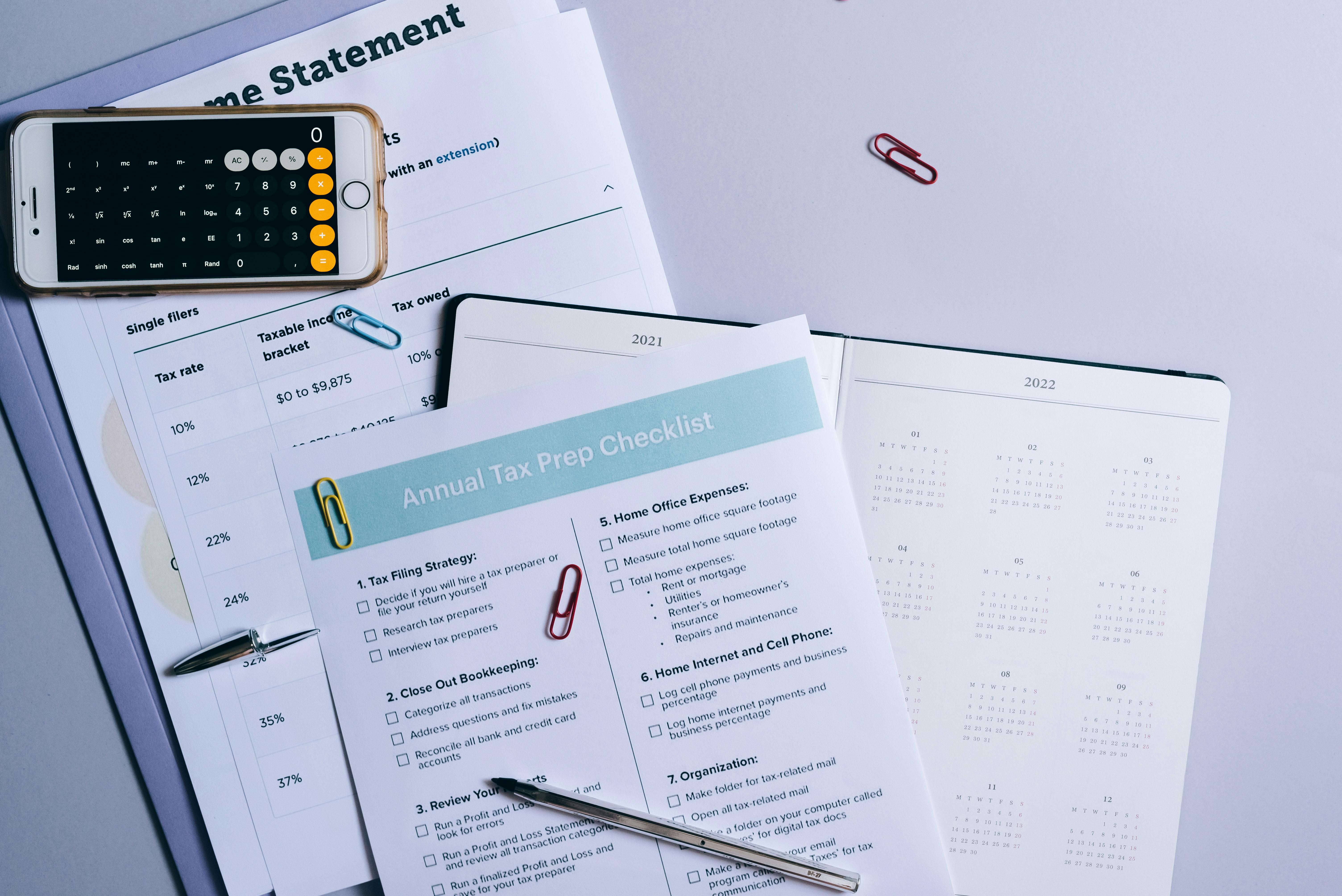
Tax and benefit systems increasingly receive information directly from employers, banks and platforms. Where that data disagrees with what an individual reported, a process starts automatically.
Third-party reporting builds a parallel record
Employers report earnings and deductions, financial institutions report interest, and in many systems platforms report payments to those who earn through them.
The authority therefore holds its own picture of an individual's income before any return is filed, assembled from those submissions.
A return is then checked against that picture, which is why discrepancies surface quickly rather than only during a full examination.
Most mismatches are clerical
Common causes include an identifier entered incorrectly, income reported in the wrong period, duplicate submissions after a correction, or an account held jointly reported to one holder.
None of these involve any error by the taxpayer, and they are usually resolved by the party that supplied the incorrect data amending it.
Establishing which party reported what is therefore the first step, and individuals are generally entitled to see the data held about them.
The query is not an accusation
An initial contact about a discrepancy is normally a request for clarification, generated by a rule rather than by any judgement about the taxpayer.
Responding with an explanation and supporting documents resolves the majority without escalation, provided the response is within the stated period.
Ignoring the query is what escalates it, since an unanswered discrepancy tends to be resolved in favour of the third-party data.
Timing differences account for many disagreements
Income received near a year end can be reported by the payer in one period and by the recipient in another, depending on which basis each uses.
The total across two years is identical, but each year individually disagrees, which is enough to generate a query.
Explaining the basis used usually settles it, though the rules governing which basis applies vary by jurisdiction and change over time.
Keeping your own record is the defence
The individual's position depends on being able to show what was received and when, independently of what any third party reported.
Bank statements, invoices and year-end statements together provide that, and they are only useful if retained for the applicable period.
Where a mismatch cannot be resolved directly, most systems provide a formal review or appeal route, and those routes have their own deadlines.
Also by Imani Serrano
- Financial resilience: what it actually meansSaving & Emergency
- Living on one incomeBudgeting
- Savings goals and making them stickSaving & Emergency
- The costs of having childrenBudgeting