Saving & Emergency
What Counts As An Emergency
Reserves get drained by costs that were predictable rather than sudden, and the distinction between an emergency and a neglected expense is what determines that.
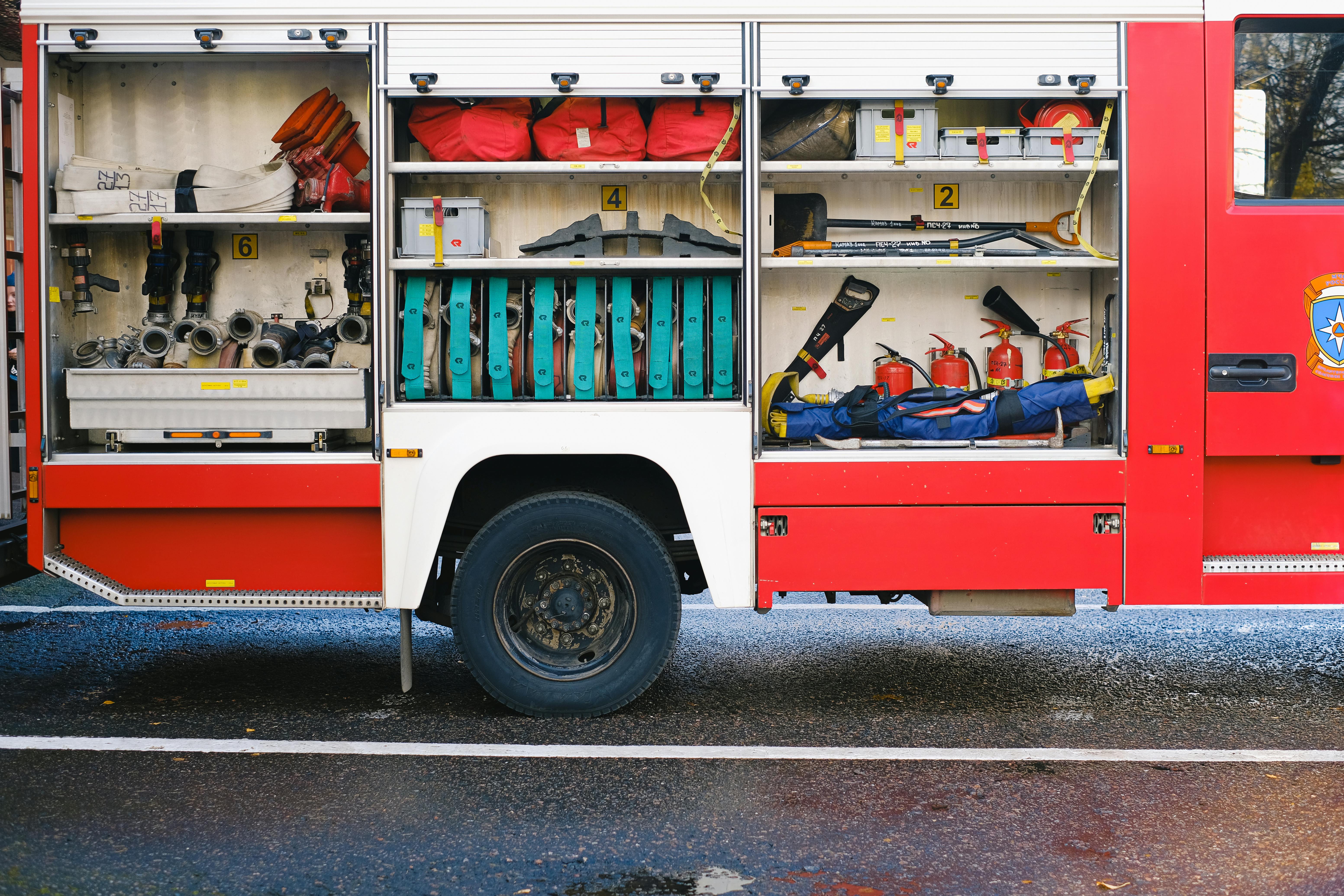
Emergency funds are depleted more often by ordinary costs than by genuine shocks. The definition being used is what decides which, and most households never set one.
Unexpected and unplanned are different words
A vehicle needing tyres is not unexpected, since tyres wear out on a known schedule. It is unplanned if no money was set aside for it.
The reserve absorbs it either way, but in the second case it is absorbing a predictable cost that a sinking fund should have covered.
Distinguishing the two determines whether the correct response is to rebuild the reserve or to add a budget category.
Frequency separates the two systems
Costs that recur, even at long intervals, can be planned by dividing the expected amount across the interval and accruing it.
Costs that may never occur cannot be accrued in the same way, and those are what a reserve exists for.
Household repairs sit awkwardly between the two, which is why a general maintenance accrual alongside a reserve tends to work better than either alone.
Income interruption is the largest case
The costliest emergencies are usually not expenses but the absence of income, through job loss, illness or reduced hours.
These are also the events that determine how large a reserve should be, since they run for months rather than producing a single bill.
Sizing a reserve against essential monthly outgoings rather than against a typical repair reflects what it is actually protecting against.
A written test prevents drift
Deciding in advance what qualifies, and writing it down, removes the negotiation that happens at the moment money is wanted.
The test does not need to be elaborate. Whether the cost is essential, whether it can wait, and whether it recurs covers most cases.
Households that use a reserve without such a test tend to find it gradually becomes a general savings account with no protective function.
Using it for a real emergency is the point
The opposite failure exists: reserves left untouched during genuine difficulty while expensive borrowing is taken instead.
That usually reflects an attachment to the balance itself, which is understandable and expensive, since the borrowing costs more than the reserve earns.
A fund that is never used has cost the household the difference between deposit and borrowing rates for no benefit, which is the mirror image of draining it carelessly.
Also by Imani Serrano
- Financial resilience: what it actually meansSaving & Emergency
- Living on one incomeBudgeting
- Savings goals and making them stickSaving & Emergency
- The costs of having childrenBudgeting