Tax & Admin
What A Tax Year End Actually Triggers
The close of a tax year fixes which income and allowances fall into which period, starting deadlines for reporting, reconciliation and the use of annual entitlements.
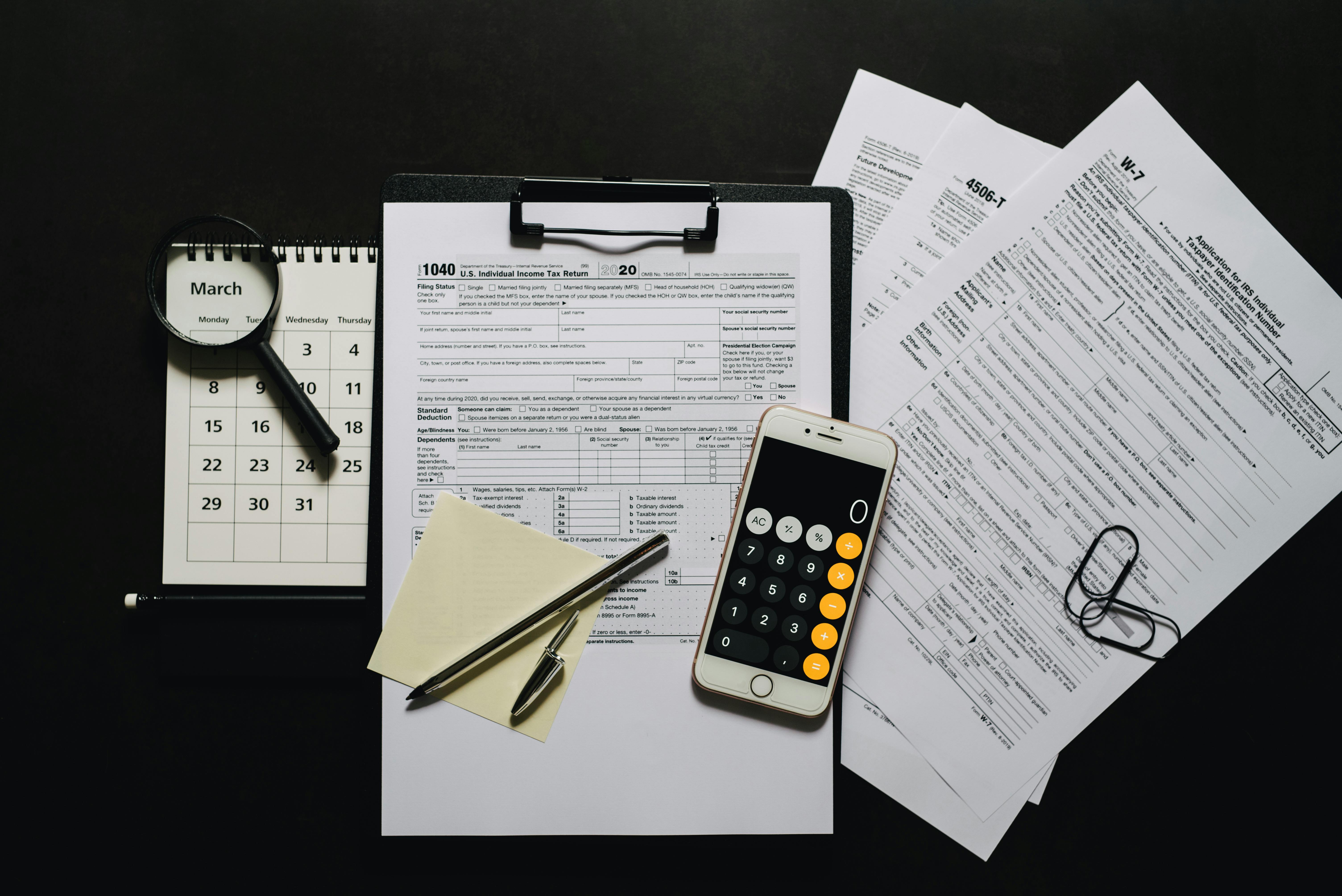
A tax year end is an accounting boundary rather than an event. What it does is fix which side of a line each transaction falls, and several consequences follow from that.
It closes the allocation of income and allowances
Income is attributed to a tax year according to rules about when it arose or was received, and those rules determine which year's rates and thresholds apply.
Annual allowances and exemptions are generally granted per year and lapse if unused, so the boundary is the point at which the opportunity to use them ends.
This is why activity clusters immediately before a year end: the decisions available are only available until the line is crossed.
Timing decisions become real at the boundary
Where a payment or a disposal can be made shortly before or after the line, the choice determines which year's position it affects.
That can matter where income differs substantially between the two years, since rates and thresholds are applied to each year separately.
The rules governing when something is treated as falling into a year are specific and vary by jurisdiction, so the timing question is a local one.
Reporting deadlines run from the close
Filing dates, payment dates and the periods for amending earlier returns are generally measured from the year end rather than from any other date.
Employers and other payers are usually required to issue year-end statements within a set period, which is what supplies the figures for a return.
Because those documents arrive weeks or months after the close, the earliest practical filing date is later than the deadline structure suggests.
Reconciliation catches deduction errors
Where tax was deducted at source on estimated codes, the year end is when the estimate is compared with the actual position.
An overpayment produces a refund and an underpayment a demand, and neither is visible until the reconciliation runs.
Keeping the year's payslips and statements makes checking that reconciliation possible, which is the only way an error in it would be found.
It is also the natural point for record keeping
Closing a year is when the documents relating to it are complete, which makes it the sensible moment to file them together rather than to reassemble them later.
Retention requirements differ by jurisdiction and by the type of taxpayer, and they change, so the applicable period is worth confirming rather than assuming.
Filing by tax year rather than by calendar year matches how any later enquiry would be framed, which is what makes the records usable if they are ever needed.
Also by Imani Serrano
- Financial resilience: what it actually meansSaving & Emergency
- Living on one incomeBudgeting
- Savings goals and making them stickSaving & Emergency
- The costs of having childrenBudgeting